 ⤢
CAMELLIA SINENSIS
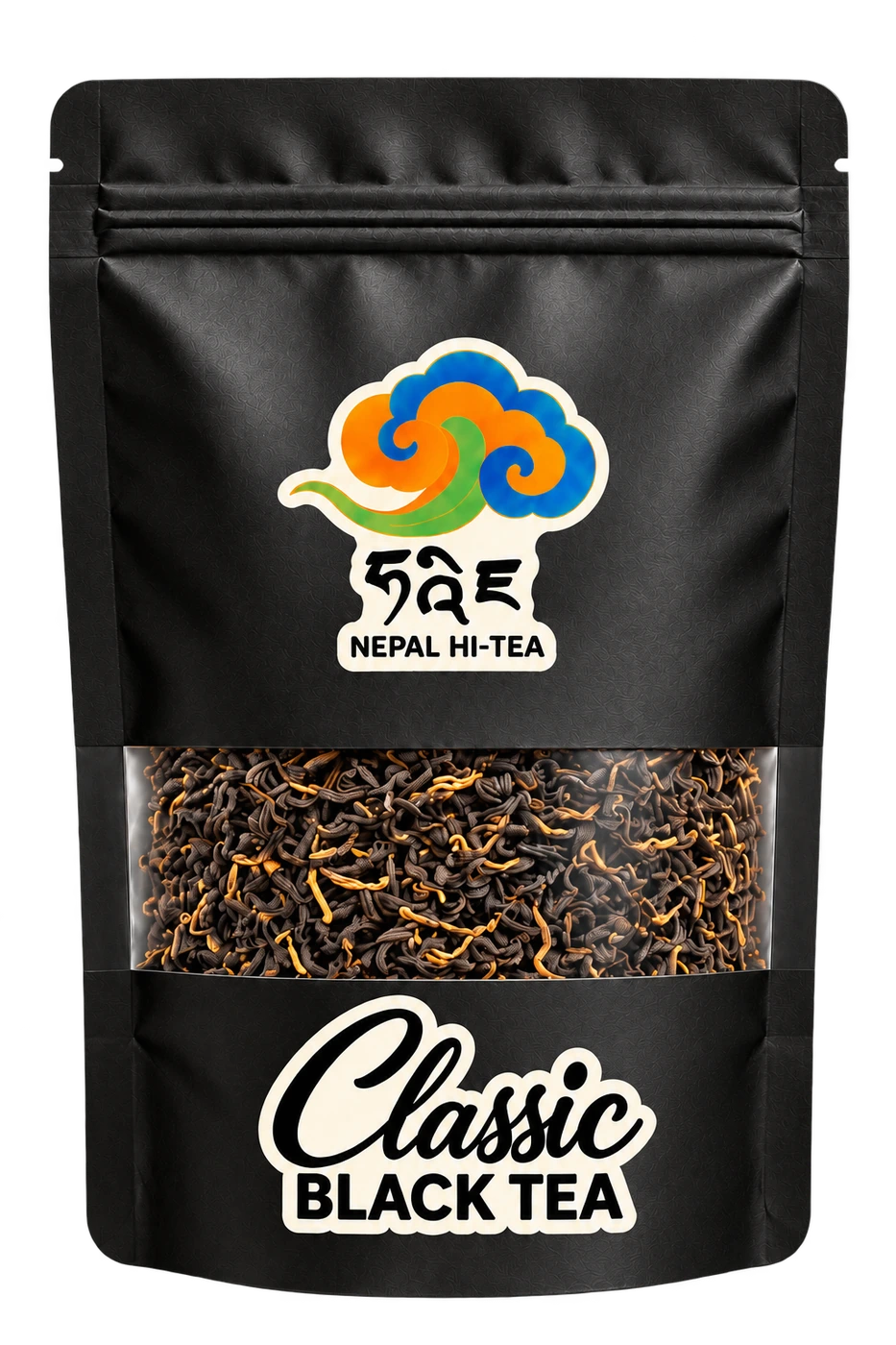
Classic Black Tea
One bud and three leavesRounded, full-bodied tea from carefully selected leaves.
LEARN ABOUT THIS TEA ↗ NEPALHI TEA
TASTE OUR TEA ↗
From the foothills of Everest
A living story of gardens, families and careful leaves from Solukhumbu.
OUR COLLECTION
High-altitude teas from the Solukhumbu tea-growing community, alongside chamomile grown and produced on our own family farms.
⤢Rounded, full-bodied tea from carefully selected leaves.
LEARN ABOUT THIS TEA ↗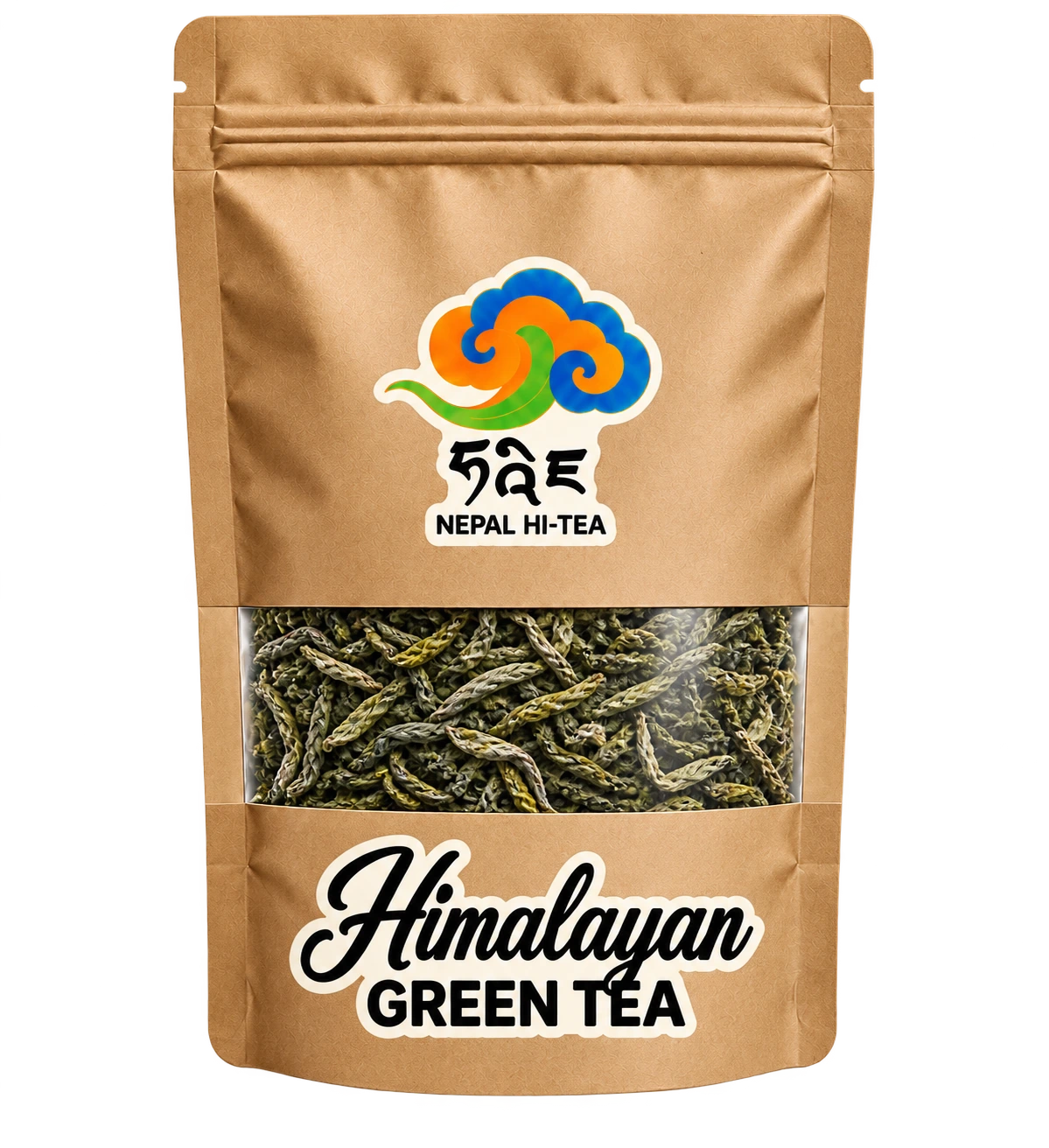 ⤢
Fresh, grassy and gently processed for a lighter cup.
LEARN ABOUT THIS TEA ↗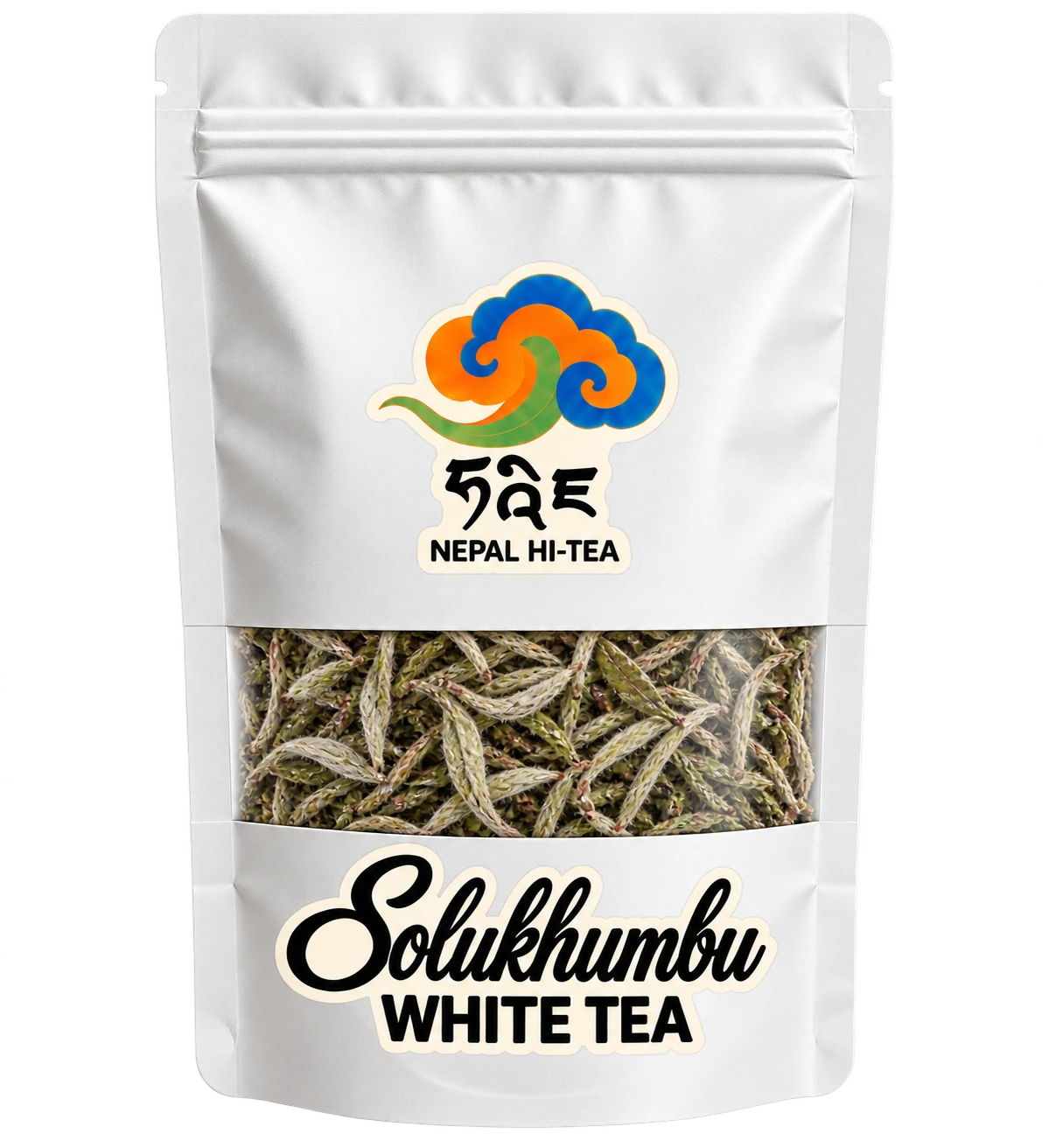 ⤢
Delicate, subtly floral notes through minimal processing.
LEARN ABOUT THIS TEA ↗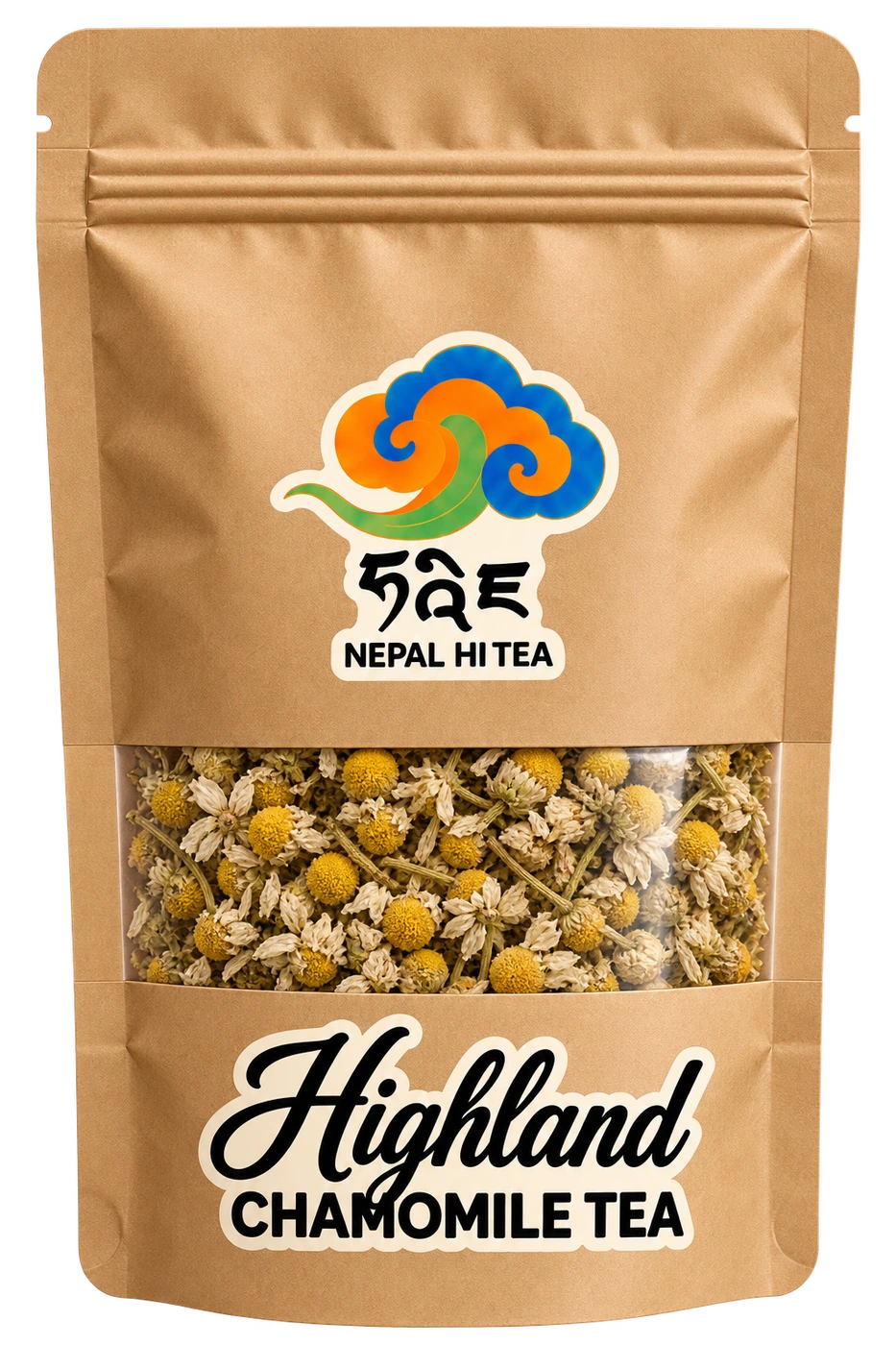 ⤢
A naturally caffeine-free floral infusion from our family farms.
DISCOVER CHAMOMILE ↗01 OUR STORY
Nepal Hi Tea began with a simple question: what if the people growing exceptional tea could meet the people looking for it?
Our founder grew up in a farming family, studied in Kathmandu, and saw the distance between local growers and direct customers. The venture began around 2025 and was registered in 2026 as a small bridge between a village economy and the wider world.
MEET THE FOUNDER ↗02 / HIMALAYAN ORIGIN
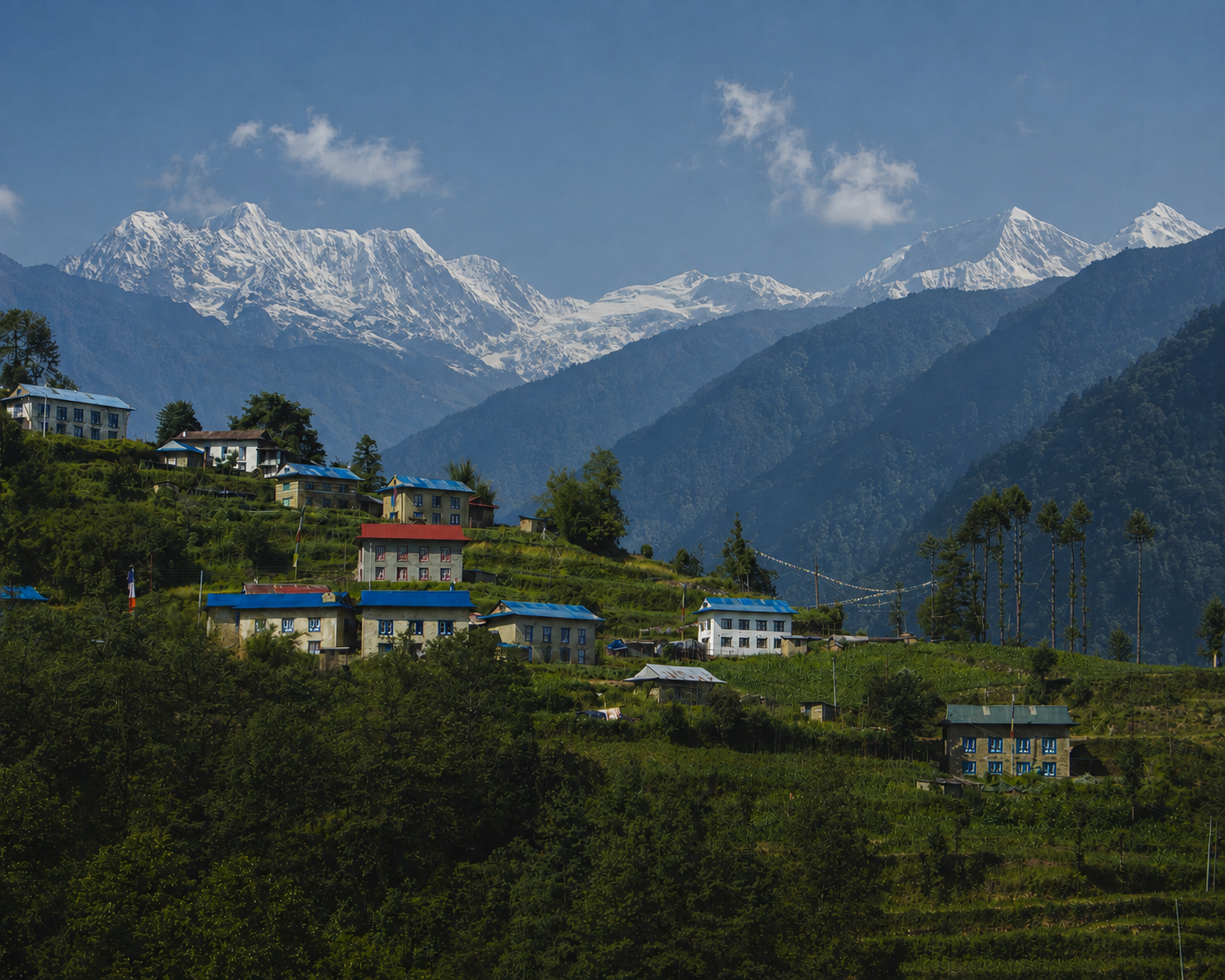
Solukhumbu is the district that holds Mount Everest. In its lower, forested hills, family tea gardens grow between 1,800 and 2,700 metres. Compare this tea-growing belt with renowned gardens around the world.
TEA ORIGINS / GROWING ELEVATIONS
Compare published growing-area ranges and representative tea gardens on one 0–3,000 m scale.
Documented Bhakanje gardens
Source: Bhakanje Tea Development Center (2024)
Regional tea-growing range
Source: Tea Board India
Shizhuo tea area (not all Alishan)
Source: Taiwan Farm Tourism
One documented Wazuka tea-field tour
Source: Japan Ministry of Agriculture (MAFF)
Documented Taozhou tea estate in Anxi
Source: Anxi County Government
One documented Mori tea garden
Source: Shizuoka Tourism
Sources identify the specific growing area or garden. Single-location examples (Uji/Wazuka and Shizuoka) should not be read as whole-region ranges. Tea quality cannot be ranked by elevation.
Horizontal marks show reported elevations on a common 0–3,000 m scale. Ranges represent the named area, while single dots represent a published garden or tea-field example. Uji tea does not have one universal elevation. Figures are not comparable regional maxima or evidence that higher altitude means better tea.
The Bhakanje range comes from a 2024 local project description. Nepal Hi Tea also describes its broader growing belt as approximately 1,800–2,700 m.
Growing elevation is one factor among climate, soil, cultivar and processing. This comparison is not a ranking of tea quality.
THE EVEREST DISTRICT
Tea gardens, Lukla, Namche Bazaar and Everest Base Camp, with our tasting café and two retail shops in Namche.
ON THE MOUNTAIN TRAIL
3,440 m
Taste Nepal Hi Tea at a café associated with Everest Yak and find it at two Everest Yak souvenir shops in Namche Bazaar.
NAMCHE / TWO SHOPS & ONE CAFÉ
Tasting café
A café associated with Everest Yak where you can taste Nepal Hi Tea brewed fresh.
Everest Yak — Shop 1
Souvenir shop stocking Nepal Hi Tea in Namche Bazaar.
Everest Yak — Shop 2
Another Everest Yak souvenir shop in Namche Bazaar.
03 COMMUNITY
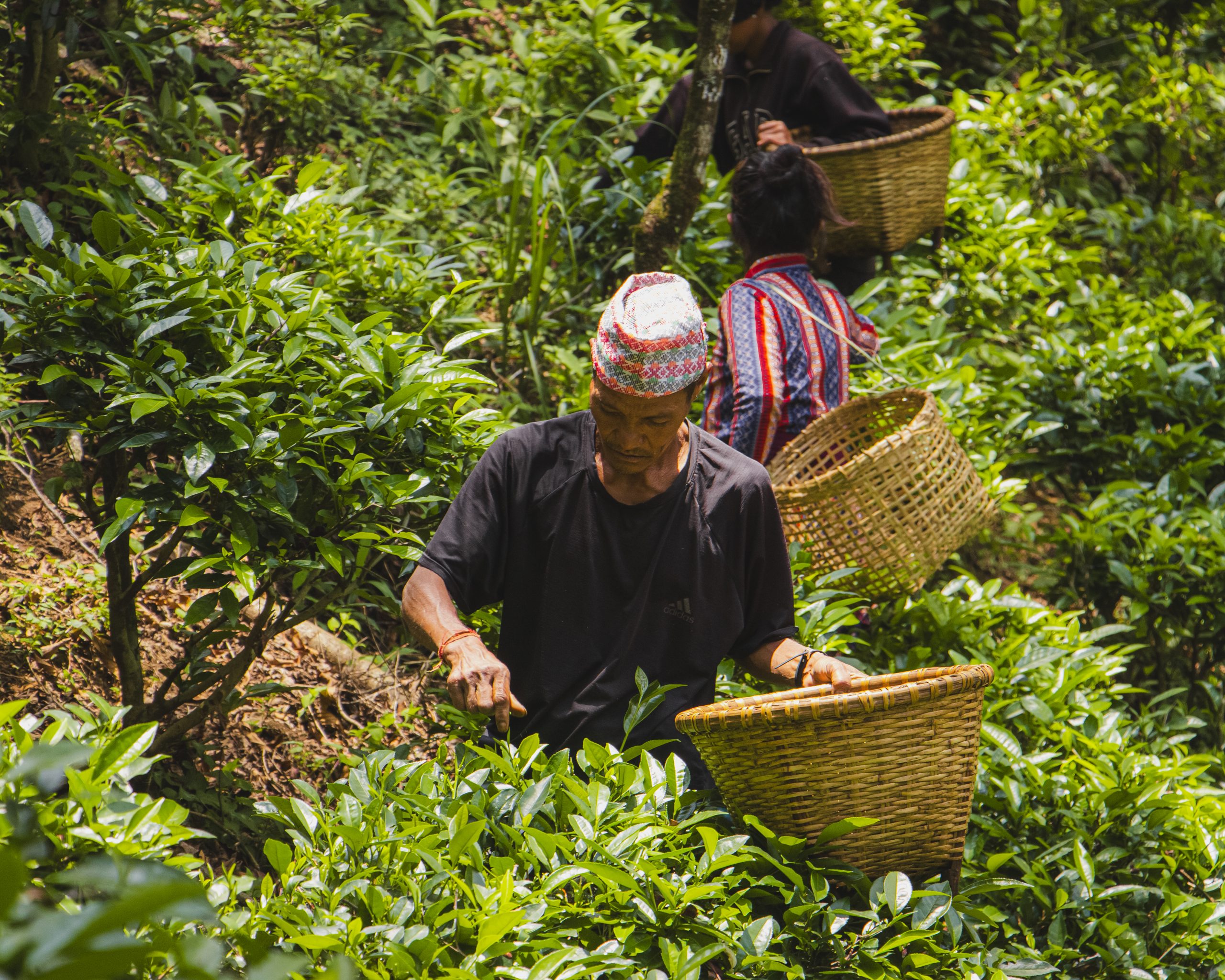
Individual village families maintain their own gardens, while knowledge, quality standards and a shared tea economy bring the harvest together.
Every batch holds a little geography: a slope, a season, a family. Our role is to make that story legible and make the connection to direct customers more equal.
Precision in every leaf, heritage in every flower. Explore the leaf standards of our three teas alongside our family's chamomile herbal infusion.
01 / TRADITIONAL TEA
Black, green and white tea come from the same plant. Leaf selection and careful processing shape the differences.
PICKING STANDARD
Black tea is fully oxidized. After withering, the leaves are rolled to break cell walls, allowing the leaf's natural enzymes to react with air. This turns the leaf dark and develops the deeper, rounded character black teas are known for.
02 / HERBAL FLOWER INFUSION
A different botanical tradition connected by the agricultural heritage of our own family farms.
FLOWER HEADS
Chamomile's infusion uses flower heads with white petals and yellow centres, rather than tea buds and leaves.
✿ Family Grown & Produced05 / COME CLOSER
Before or after the trail, find a cup that started much closer to home.
Sip Nepal Hi Tea at a café associated with Everest Yak in Namche Bazaar.
VISIT NAMCHE ↗Take some home from either of the two Everest Yak souvenir shops in Namche Bazaar.
FIND THE SHOPS ↗